




Decoding the Secrets of Fabric Structure: An In-Depth Analysis of The Linen Lab’s Linen Weaves
The Design Journey Begins with Material Insight: Why Weave Structure Matters
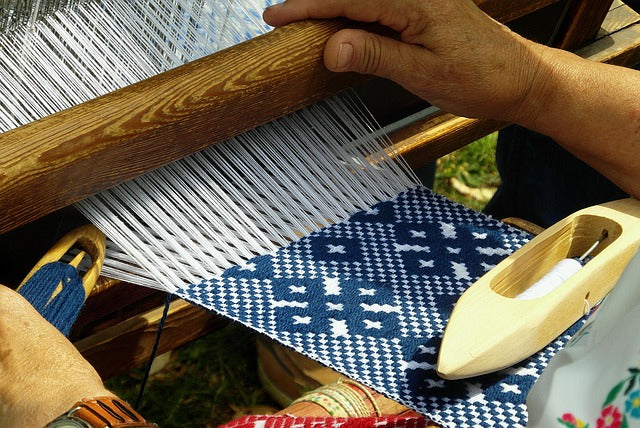
The quality of your finished design is predetermined by the fabric you select. Specifically, with natural textiles like Linen, the inherent qualities such as breathability, drape, and durability are fundamentally determined by the Weave Structure.
The Linen Lab comprehends the universal characteristics of diverse weave structures—including Plain, Twill, Satin, Jacquard, Double Face, Dobby, and Mat (Canvas)—and applies them, optimized for premium linen. The FAQ below systematically compares the foundational concepts of weave structures with The Linen Lab's differentiated structural engineering. Let this guide inform your selection of the ideal material for your next endeavor.

Q1. What is the Defining Element of Linen Fabric’s Identity?
Weave Structure is the most fundamental element determining a material's application and aesthetic sensibility. The structure dictates all properties—from breathability and strength to drape and luster—making the same 'Linen' an entirely different product.
The Linen Lab is grounded in the weaving principles utilized across natural fibers but meticulously adjusts yarn count, twist strength, and density to ensure premium linen achieves optimal hand feel and dimensional stability. A thorough understanding of the weave structure is the first step toward fully appreciating the value of The Linen Lab's linen.
Q2. What Functional Attributes Characterize the Foundational Plain Weave?
A. Plain Weave is the simplest yet most structurally stable foundation.
Structural Characteristics
- The 1:1 interlacing of warp and weft yarns provides exceptional breathability and delivers a clean, unembellished silhouette.
- The derived structure, Mat/Canvas, crosses yarns in pairs, creating a more robust and three-dimensional texture.
Application Examples at The Linen Lab
- Light Weight High Twisted Linen: Maximizes breathability and a firm hand feel using high-twist yarns.
- Linen Cotton Canvas: Utilizes the canvas Mat structure to realize a substantial silhouette and structural stability
Q3. How do Mat (Canvas) and Dobby Structures Differ from Plain Weave?
A. Mat (Canvas) and Dobby are variations of the plain weave that introduce dimensionality and body.
Mat (Canvas) Structure : Yarns are grouped and woven in pairs or more, imparting rigidity and thickness, utilized when a structured, weighty silhouette is required.
- The Linen Lab Application: Linen Cotton Canvas — applies the canvas Mat structure to achieve a substantial silhouette and superior stability.
Dobby Structure : Small fabric patterns (typically geometric motifs) are recurrently woven into the structure during the process, lending subtle dimensionality and a unique tactile sensation.
- The Linen Lab Application: Cloud Nine 100% Linen Waffle Tweed — utilizes the Dobby structure to create a waffle tweed pattern with comforting volume.
Q4. What Transformation Do Twill and Herringbone Structures Impart to Linen?
A. Twill Weave is characterized by the diagonal lines on the fabric surface, offering superior flexibility and drape compared to plain weave.
Structural Characteristics
- Naturally soft, flexible, and exhibits excellent wrinkle recovery.
- Herringbone is a modification of twill, transforming the diagonal lines into a zigzag pattern to provide sophisticated volume.
Application Examples at The Linen Lab
- Linen Tencel Twill: Blended with Tencel to maximize linen's drape and flexibility.
- Linen Cotton Herringbone Twill: Heavyweight construction, offering excellent stability suitable for outerwear.
Q5. How Are Advanced Structures Like Satin, Jacquard, and Double Face Utilized?
A. The Linen Lab extends the aesthetic potential of linen through complex weave structures.
-
Satin Weave Characterized by minimal interlacing points, resulting in a smooth surface, subtle luster, and luxurious hand feel.
→ Ramie Cotton Satin Fabric: Achieves a silk-like texture even in Linen/Ramie blends.
-
Jacquard & Tweed Jacquard is an artistic weave that creates dimensional patterns through structure; Tweed provides a bouclé effect and volume.
→ 100% Linen Melange Tweed: Adds volume to the linen texture, suitable for Fall/Winter designs.
-
Double Face Weave simultaneously interlaces two layers of fabric to secure thickness, volume, and structured integrity.
→ Linen Rayon Cotton Blend Double Face: Optimal for jackets and trousers, offering natural crease resistance and a balanced silhouette.
The Linen Lab's Expertise: Realizing Weave Potential in Natural Fiber
The Linen Lab embraces the universal principles behind diverse weave structures, but reinterprets them through an optimization process tailored to 'Linen'—a fiber renowned for its authenticity, natural depth, and textural integrity.
Through advanced weaving technology, premium natural fibers, and meticulous material engineering, we bring your creative vision to life with exceptional fidelity. The Linen Lab's linen is not merely fabric; it is a 'Technology' that finalizes the design.